


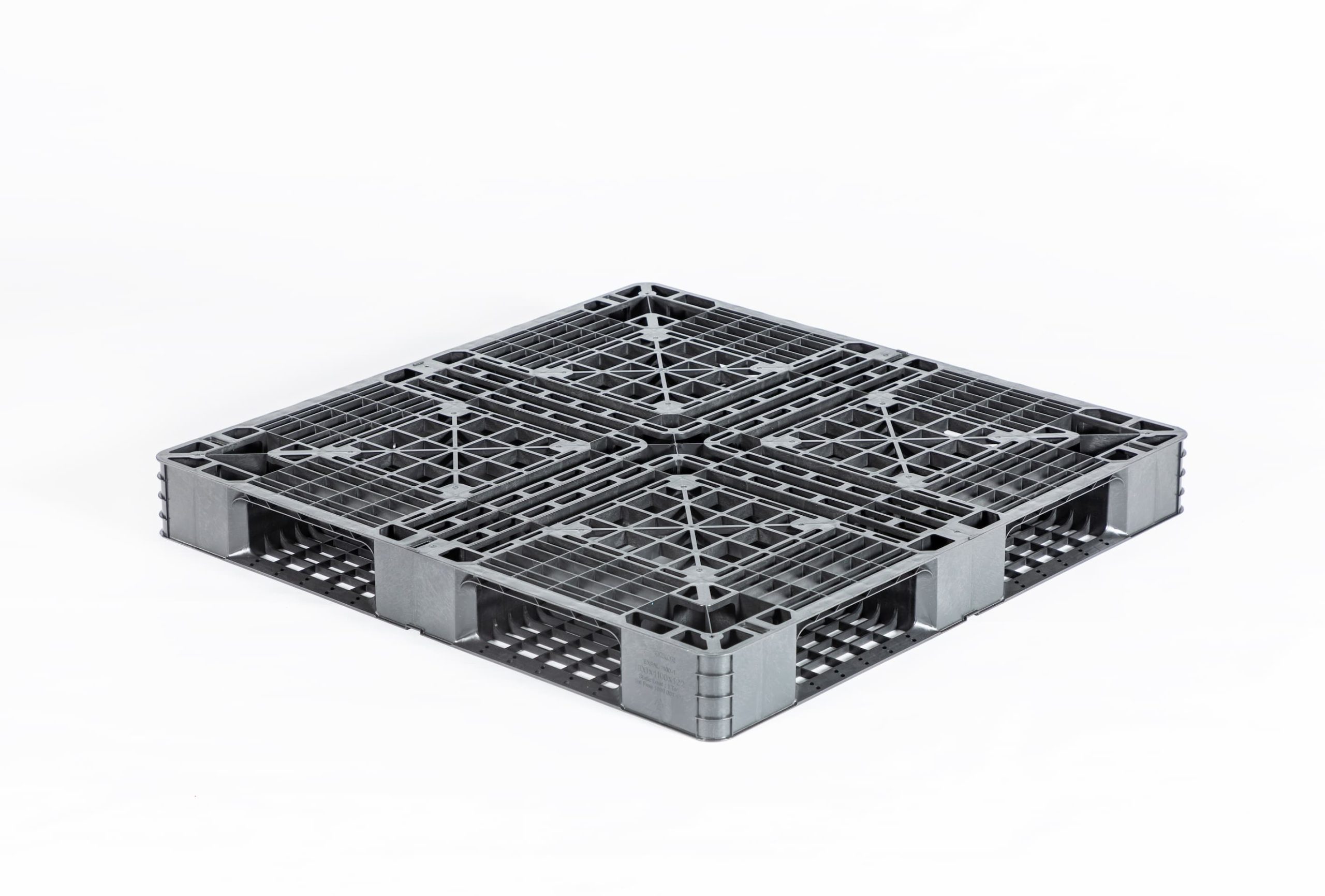
When your food products arrive overseas, your customer expects them to be in good condition. They do not want to open a shipping container and find wet boxes, broken jars or damaged bags. While the way you pack and transport your food matters, so do the pallets underneath it. Using damp, dirty or damaged pallets can put your goods at risk before they even leave your warehouse.
Key takeaways:
- Dirty pallets can leave unwanted material on food packaging.
- Damp timber pallets can add moisture inside shipping containers.
- Pallets that are too small or too weak can lead to damaged packaging.
- Pallet design and the way goods are loaded can affect airflow in refrigerated containers.
- Choose a pallet based on the type of food you export and how it needs to be stored.
Dirty Pallets Can Affect Food Safety
Before using a pallet, think about where it has been and what it may have carried. A used pallet might have been stored outside, exposed to chemicals or used to carry other goods. If it has not been cleaned properly, it can bring dirt or harmful material into your food packing area. Even when food is sealed inside bags or boxes, dirty packaging can create problems when workers handle and open it.
Food Standards Australia New Zealand advises businesses to protect food from contamination during transport and use clean equipment. One reason food manufacturers use plastic pallets is that they can be washed. Unlike timber, plastic does not absorb water in the same way. All three models in our plastic export pallet range can be washed with hot water, cleaned with steam or sterilised using suitable chemicals. This can make it easier to prepare clean pallets before loading your food products. However, plastic pallets still need to be cleaned and checked before use.
Damp Pallets Can Damage Food Packaging
Shipping containers can become damp inside, especially during long journeys through different climates. When warm, moist air comes into contact with a cold surface, water droplets can form. This is called condensation. It is similar to the water you see on the outside of a cold drink.
The international guide for packing shipping containers identifies timber pallets as one possible source of moisture inside containers. If you load damp wooden pallets into a container, the moisture in the wood can add to the moisture already inside.
This can cause several problems for food exporters. Cardboard boxes may become soft, labels may become damaged and mould may grow on damp packaging. Weakened boxes may also collapse under the weight of the goods above them. This is particularly worth considering if you export dry food products such as milk powder, flour, cereals, biscuits or other goods packed in cardboard boxes.
Using dry plastic pallets can remove one possible source of moisture because plastic does not absorb water like timber. However, plastic pallets cannot stop condensation from forming. You still need to make sure your container, packaging and pallets are dry before loading.
The Wrong Pallet Can Cause Boxes to Break or Collapse
Food products come in many different types of packaging. You might ship glass jars, bottles, cans, cardboard boxes or large bags of food ingredients. All of these need proper support during transport. If your pallet is too small, your boxes may hang over the edges. These boxes are more exposed to damage when workers move the pallets or load them into a shipping container.
If the pallet does not provide enough support underneath, the boxes may bend or collapse. Imagine shipping glass jars of sauce. If the boxes at the bottom of the pallet collapse, some of the jars may break. Leaking sauce can then damage other boxes around them. Before choosing your pallet, check that your boxes fit within its edges and that the surface provides enough support.
You also need to know how much your goods weigh. Our Expal-1140 can carry up to 1,000kg while being moved. Our ExPod-1210 can carry up to 400kg while being moved. If you export 700kg of canned food per pallet, for example, the ExPod-1210 would not be suitable for that load. The right pallet needs to support the full weight of your goods and packaging during loading, transport and unloading.
How Can Pallets Affect Airflow When Shipping Chilled Food?
Fresh fruit, vegetables, chilled meat and many dairy products need to be kept at the right temperature during shipping. These products are often shipped in refrigerated containers. The cooling system moves cold air around the goods to help maintain the required temperature. If the boxes or pallets are loaded in a way that blocks the air, some parts of the container may not stay as cool as others.
International shipping company Hapag-Lloyd identifies poor air circulation as one of the main causes of damage to refrigerated cargo. For some fresh produce, higher temperatures can cause it to ripen too quickly. This may leave your customer with less time to sell it.
Our Expal-1100 is designed for export use, including refrigerated shipping containers. It has an open surface and is not affected by moisture. However, an open pallet alone will not keep your food cold. The way you pack your boxes, wrap your goods and load the container also matters. Follow your shipping company’s loading instructions and make sure your pallets suit the temperature your food needs.
What Type of Food Are You Exporting?
Meat, Poultry and Seafood
Meat, poultry and seafood exporters often use cold rooms or freezers before shipping their goods overseas. The pallets they use need to be strong enough to carry the packed products and suitable for low temperatures. They also need to be cleaned properly, particularly if they have been exposed to leaking meat or seafood packaging.
Fresh Fruit and Vegetables
Fresh produce can become bruised or damaged if boxes move or collapse during transport. Choose a pallet that supports the boxes properly. If your produce needs refrigerated shipping, make sure your pallet and packaging suit the way cold air moves through the container.
Dairy Products
The type of pallet you need depends on the dairy products you export. Milk powder needs to be kept dry, while chilled products such as yoghurt and many cheeses need to be kept at the required temperature. Check that your pallets suit the product’s packaging, weight and storage conditions.
Packaged Food
Biscuits, cereals, canned food and other packaged products need protection from moisture and damage. Some products, such as canned vegetables or bottled sauces, can be quite heavy. Make sure your pallets can carry the full weight of the packed goods.
Food Ingredients
Flour, sugar and other food ingredients are often shipped in large bags. These bags need enough support underneath them. If you use pallets with openings on top, check whether your bags need an extra layer of support to prevent damage.
Do Food Export Pallets Need to Be Food-Grade?
This depends on whether the food comes into direct contact with the pallet and what your food safety rules require. For example, if your food is sealed inside bags and packed into cardboard boxes, the pallet may never touch the food itself. If unpackaged food will sit directly on the pallet, you need to make sure the material is safe for that use.
Food Standards Australia New Zealand advises food businesses to check that packaging materials are suitable for their intended use and will not contaminate food. Our standard export pallets are made from recycled plastic. This does not automatically mean they are suitable for direct food contact. If your business requires food-grade materials or specific food safety certificates, speak to our team before placing an order.
Can the Wrong Pallet Delay Your Food Shipment?
Many countries require solid timber pallets to be treated and marked before they can enter the country. This is part of an international standard called ISPM 15. It helps stop insects and other pests from travelling between countries inside wooden packaging. According to the Australian Department of Agriculture, Fisheries and Forestry, countries can require untreated or incorrectly marked wood packaging to be treated or disposed of. In some cases, they may refuse entry to the shipment.
For businesses exporting fresh food, delays can mean less time to sell the products once they reach the customer. Plastic export pallets do not need ISPM 15 treatment because they are not made from wood. You still need to meet the food import and packaging rules of the country receiving your products.
The Australian government’s Manual of Importing Country Requirements (Micor) provides guidance for exporters of meat, dairy, seafood, fresh produce and other agricultural products. Confirm the requirements with your importer before shipping.
Which Ozkor Pallets Can Be Used for Food Shipping?
We supply plastic pallets for food handling, warehouse storage and export shipping.
Plastic Export Pallets
These pallets are designed for businesses that want to send their goods overseas on pallets.
| Export pallet | Empty pallet weight | Published weight limit | Application |
|---|---|---|---|
| Expal-1140 | 8.2kg | 1,000kg while moving | Export shipments and suitable warehouse storage |
| Expal-1100 | 7.5kg | 1,000kg safe working load | Export shipments, including refrigerated containers |
| ExPod-1210 | 8kg | 400kg while moving | Lighter, one-way export shipments |
The right model will depend on your packaging, the weight of your goods and your food handling requirements.
Specialised Pallets for Meat and Frozen Food Handling
We also supply the MP-1165 and MP2-1165, which were developed for handling boxed food, particularly frozen meat intended for export. Both models have a published temperature range of -30°C to +50°C. Their design allows forklift operators to lift boxes directly off the top of the pallet when preparing goods for container loading.
This is useful for meat processors that need to move frozen cartons from cold storage and load them into shipping containers without sending the storage pallet overseas.
What Should You Check Before Loading Food Onto Export Pallets?
Before your next shipment, check the following:
- Are your pallets clean, dry and free from damage?
- Do your boxes or bags fit within the edges of the pallet?
- Can the pallet safely carry the full weight of the packed goods?
- Is the pallet suitable for your storage and shipping temperatures?
- Does it meet your food safety rules and your customer’s requirements?
These simple checks can help you avoid problems before your goods leave Australia.
Find the Right Export Pallets for Your Food Products
At Ozkor, we supply plastic export pallets and specialised pallets for Australian food manufacturers and processors. Tell us what food products you export, how they are packed and how much they weigh. If you use cold storage or refrigerated shipping containers, let us know. We can help you choose a pallet that suits your goods and how you handle them. Call us on 1800 001 433 or request a quote online.
Frequently Asked Questions
Are plastic pallets suitable for food exports?
Yes. Suitable plastic pallets can be used to ship packaged food products overseas. Check that the pallet meets your food safety rules, supports your goods and can handle the required storage conditions.
Can plastic pallets prevent mould during food shipping?
Plastic pallets do not absorb water like timber, which can help reduce one source of moisture inside a container. However, mould can still grow on dirty surfaces or damp food packaging.
Can I use plastic pallets to ship frozen food?
Yes, if the pallet is suitable for the required temperature and weight of your goods. Check its temperature limits with your supplier before using it in cold storage.
Are timber pallets allowed for food exports?
Yes, provided they meet the relevant export rules, food safety requirements and customer requirements. Solid timber pallets generally need ISPM 15 treatment when shipped to countries that follow the standard.
Can recycled plastic pallets be used for food shipping?
Yes, if they are suitable for the intended use. If the pallet will come into direct contact with food, you need to confirm that the material is safe for that purpose.
Do plastic export pallets need to be washed before every shipment?
This depends on the condition of the pallet and your food safety procedures. Always check pallets before loading and clean them as required.